Carpal Tunnel Syndrome
Gentle and fast microsurgical decompression
Understanding Carpal Tunnel Syndrome
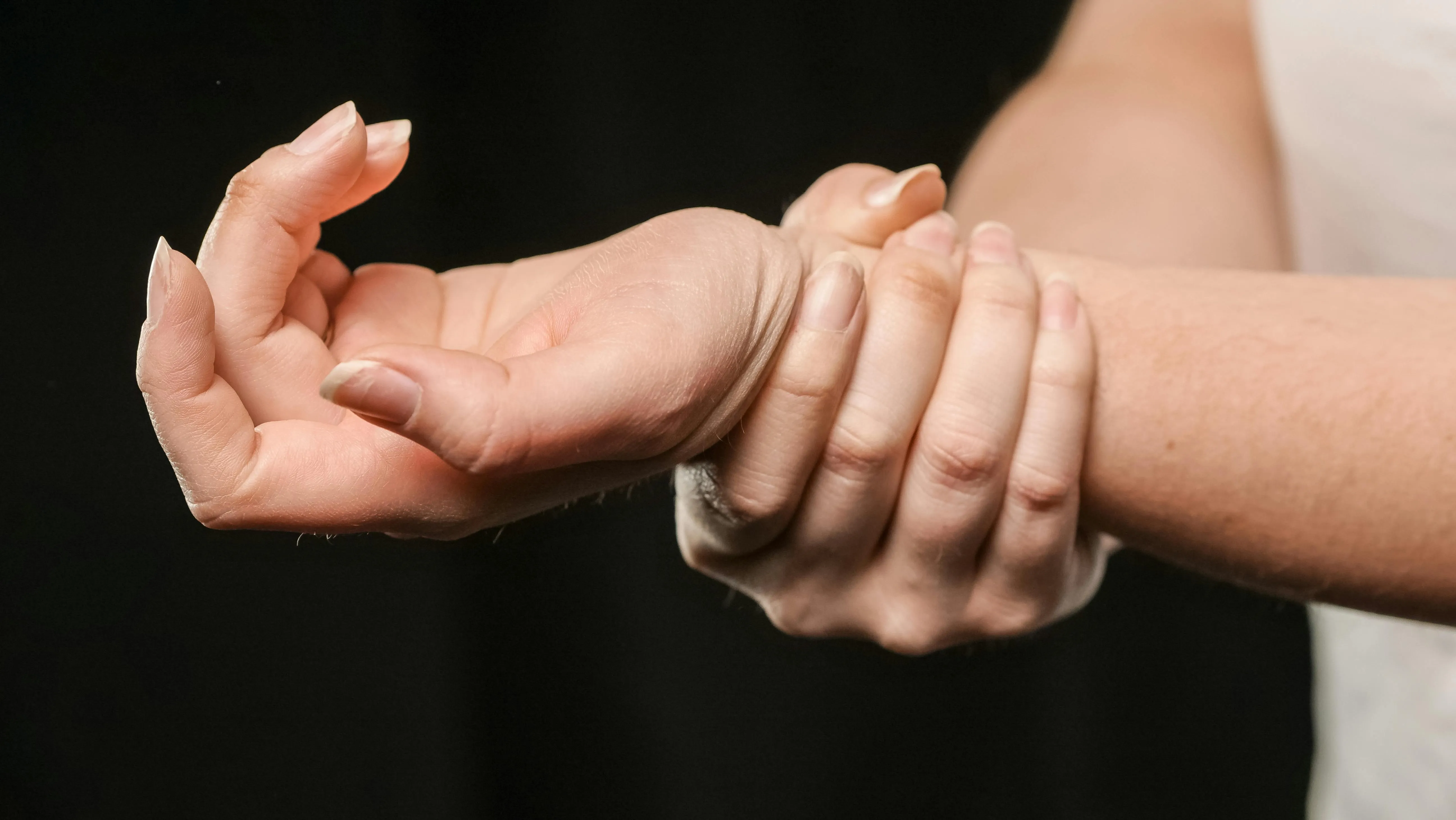
Carpal tunnel syndrome (CTS) is the most common nerve compression syndrome. It occurs when the median nerve is compressed as it travels through the carpal tunnel at the wrist.
Typical symptoms include hands falling asleep at night, tingling in the thumb, index, and middle fingers, as well as pain that can radiate up to the forearm or shoulder. In advanced stages, there may be visible wasting of the thumb base muscles and a significant loss of grip strength.
The Surgery: Fast, Outpatient, and under WALANT Anesthesia
Dr. Megerle routinely performs open microsurgical decompression on an outpatient basis. The entire procedure typically takes only a few minutes and immediately relieves pressure on the nerve, allowing blood flow and nerve function to recover rapidly.
A special focus here is the modern WALANT method (Wide Awake Local Anesthesia No Tourniquet). With this innovative form of local anesthesia, neither general anesthesia nor a painful tourniquet on the arm is required. Dr. Megerle is one of the pioneers of this technique in Germany and has published several scientific articles on the subject.
You can find more detailed information about this modern and gentle form of anesthesia on the website specially created by Dr. Megerle for this purpose: www.handchirurgie-muenchen.eu.
At the patient's request, Dr. Megerle can, of course, also perform the surgery endoscopically (minimally invasive).

Revision Surgery Following Unsuccessful Previous Procedures
Although carpal tunnel surgery generally has a very high success rate, it occasionally happens that patients continue to suffer from pain or numbness after their first procedure. The causes for this can be diverse—ranging from an incomplete release of the transverse carpal ligament to extensive scar tissue formation around the nerve.
As a highly specialized nerve surgeon, Dr. Megerle has years of extensive experience in revision surgery (secondary procedures).

Frequently Asked Questions
Is the surgery performed under general or local anesthesia?
We standardly perform the procedure using modern WALANT local anesthesia. A general anesthetic or an uncomfortable tourniquet on the upper arm are not necessary.
When can I use my hand normally again after the procedure?
Light activities (such as typing or eating) are often possible again after just a few days. Heavy physical labor should be avoided for about 3 to 4 weeks until the wound has completely healed.
Do you also offer the endoscopic surgical method?
Yes. Although the open microsurgical technique under WALANT anesthesia has proven to be an extremely gentle gold standard, we also perform the procedure endoscopically (minimally invasive) upon request.
I have already had carpal tunnel surgery, but I am still experiencing symptoms. What now?
Persistent or recurring symptoms after a previous surgery first require specialized evaluation. A second surgery is not always the best approach; Dr. Megerle will advise you individually and with an open mind regarding the outcomes.