Cubital Tunnel Syndrome
Endoscopic decompression and state-of-the-art nerve reconstruction
Understanding Cubital Tunnel Syndrome
Cubital tunnel syndrome is the second most common nerve compression syndrome. It occurs when the ulnar nerve is compressed or irritated as it travels through the narrow bony canal on the inside of the elbow (commonly known as the "funny bone").
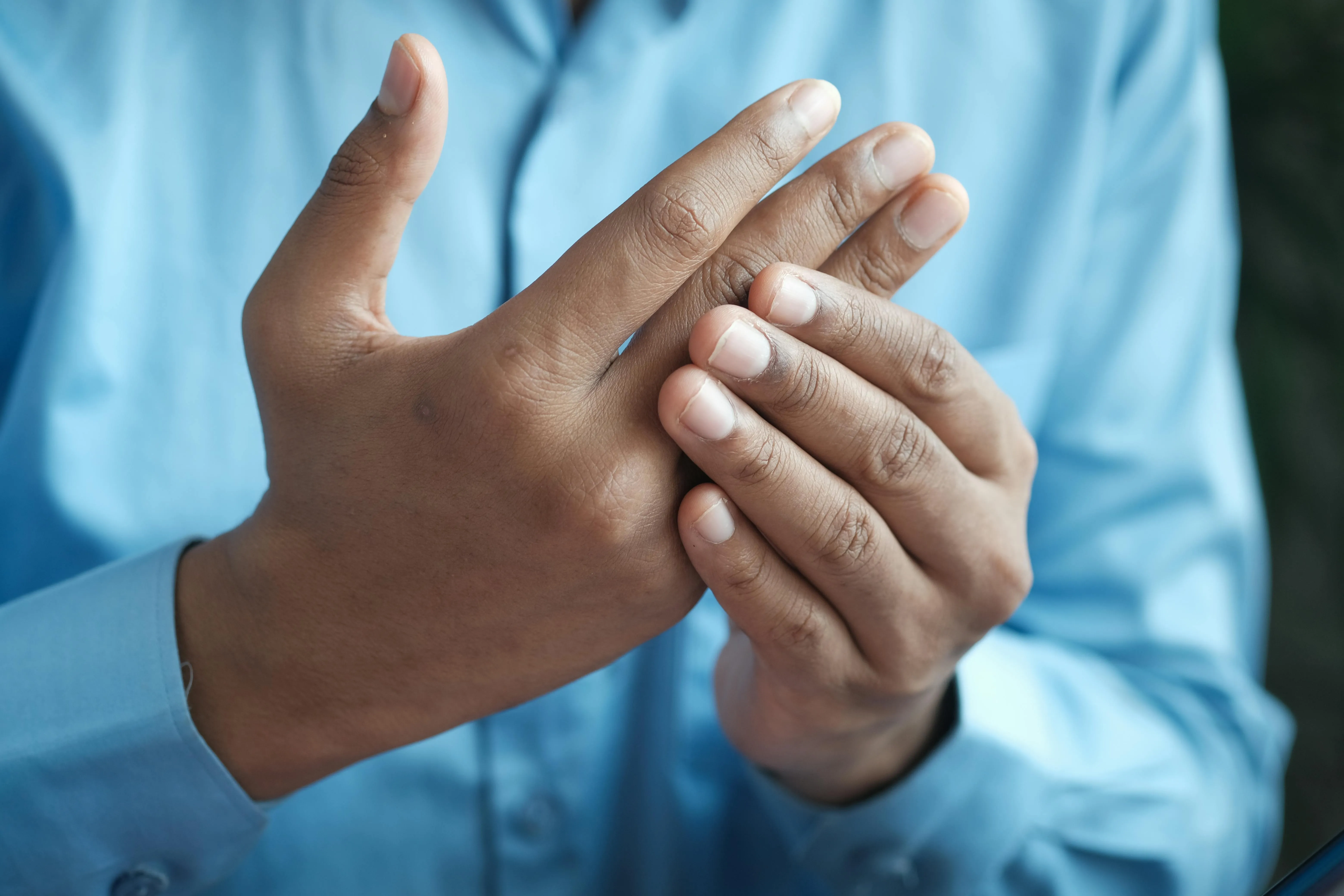
Initial symptoms typically include tingling or numbness in the ring and little fingers, as well as a dull ache on the inside of the elbow that can radiate down into the forearm. As the compression progresses and impairs motor functions, patients may notice increasing clumsiness and a weakening pinch grip (key pinch) of the hand.
In severe, late stages, the chronic lack of nerve signals leads to significant muscle atrophy in the hand. This ultimately results in a highly restrictive clawing of the ring and little fingers (claw hand), where the fingers remain permanently impaired.
Primary Treatment: Endoscopic Decompression
If conservative measures—such as avoiding pressure and wearing a padded night splint to keep the elbow straight—fail to relieve your symptoms, surgical intervention is required to prevent permanent nerve damage.
As a highly specialized peripheral nerve surgeon, Dr. Megerle typically performs the primary decompression minimally invasively and endoscopically on an outpatient basis. Through a very small incision and with the aid of a specialized camera, the tight connective tissue bands constricting the nerve are precisely and safely divided. This extremely gentle approach immediately gives the nerve more space, promotes rapid healing, and allows patients to return home the same day.
In the past, moving the nerve to the front of the elbow (primary anterior transposition) was a common procedure. Today, this extensive surgery is rarely performed for primary cases and is mostly reserved for complex revision surgeries (secondary procedures) if absolutely necessary.
Complex Reconstruction & Revision Surgery
When cubital tunnel syndrome has reached an advanced stage with severe motor deficits and muscle atrophy (muscle wasting) already present, simply decompressing the nerve at the elbow may no longer be sufficient to fully restore hand function.
Dr. Megerle has extensive experience across the entire spectrum of state-of-the-art reconstructive procedures and offers comprehensive care for these complex scenarios. To restore essential thumb strength and pinch grip, highly specialized nerve transfers can be performed deep within the hand.
If a severe claw hand deformity has already developed, Dr. Megerle can correct the malposition and restore mechanical balance through tenodeses or dynamic tendon transfers. This comprehensive, multimodal expertise ensures that even patients with severe, long-standing nerve damage or failed previous surgeries (revision cases) achieve the best possible functional outcome.

Frequently Asked Questions
When should I see a doctor about my symptoms?
You should consult a specialist if numbness in your ring and little fingers occurs frequently, wakes you up at night, or if your hand becomes increasingly clumsy. Long-term pressure damage to the nerve should be avoided.
Will I need a cast after the surgery?
No. After endoscopic decompression, your arm is typically only wrapped in a soft dressing. You can and should move your arm carefully soon after the procedure to prevent stiffness. A rigid cast is not required.
When is a nerve transposition (relocation) necessary?
An anterior transposition (moving the nerve to the front of the elbow) is rarely necessary during a primary surgery. Today, this technique is primarily reserved for complex revision surgeries—such as when a previous operation has failed or the nerve is encased in scar tissue.
Can lost hand function be restored if the nerve is already severely damaged?
Yes. Even in advanced stages where severe muscle atrophy or a claw hand deformity has already developed, highly specialized nerve or tendon transfers can improve your grip strength and typically correct the finger deformity.