Nerve Reconstruction
Precision Microsurgery for Restoring Function and Feeling
The Pinnacle of Microsurgery
Peripheral nerve reconstruction represents one of the most delicate and demanding fields within plastic and reconstructive surgery. It is frequently required following severe traumatic injuries or as a result of complications from previous surgeries where a nerve has been damaged or severed.
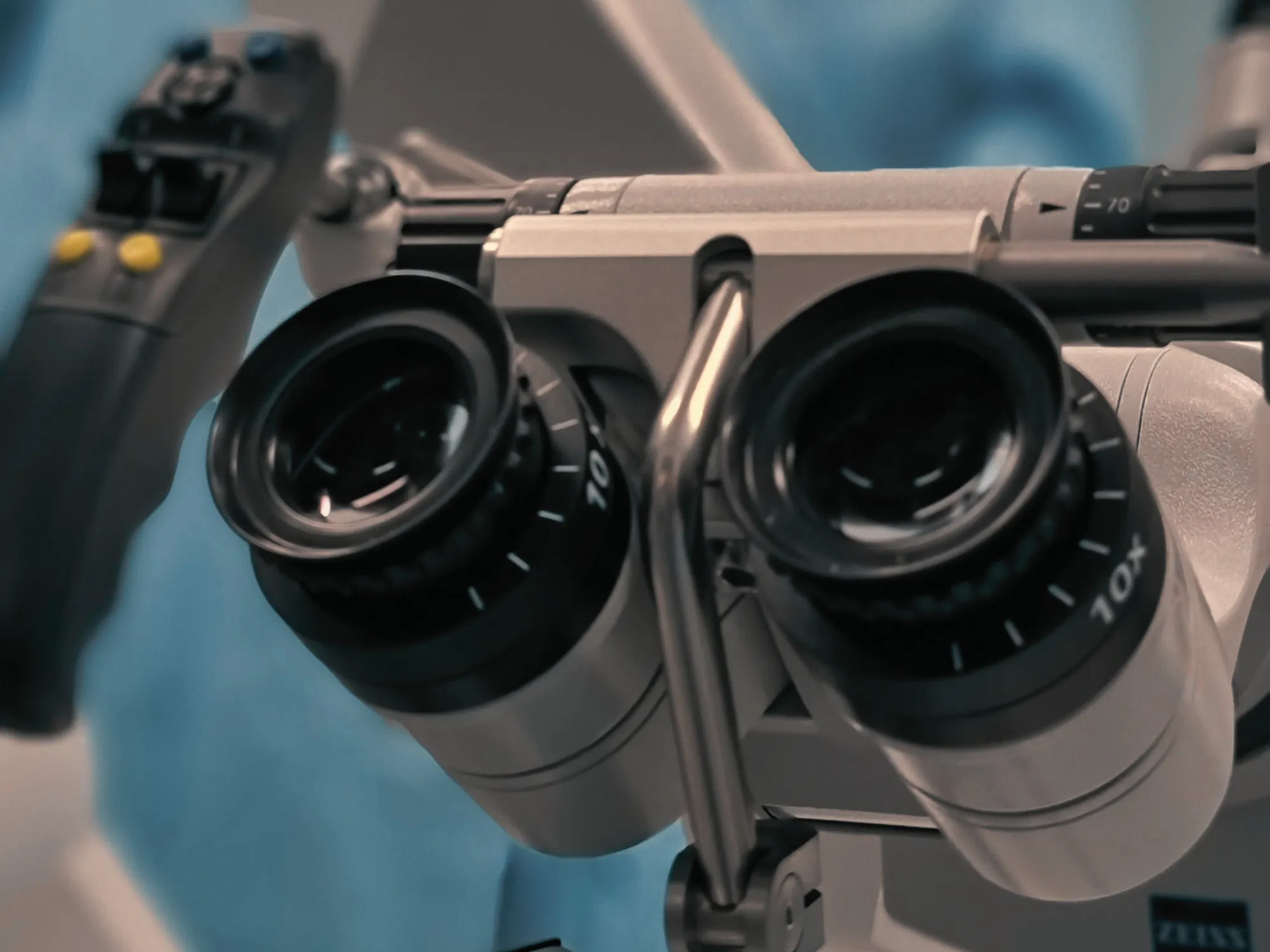
For Dr. Megerle, this field is of paramount importance. Repairing the biological pathways that control movement and sensation requires not only a profound understanding of extremity anatomy, but also meticulous surgical technique and highly specialized microsurgical equipment. Working under high-powered magnification with sutures thinner than a human hair, our goal is to meticulously realign the nerve fascicles to give the nerve the best possible chance to regenerate.
Bridging the Nerve Gap
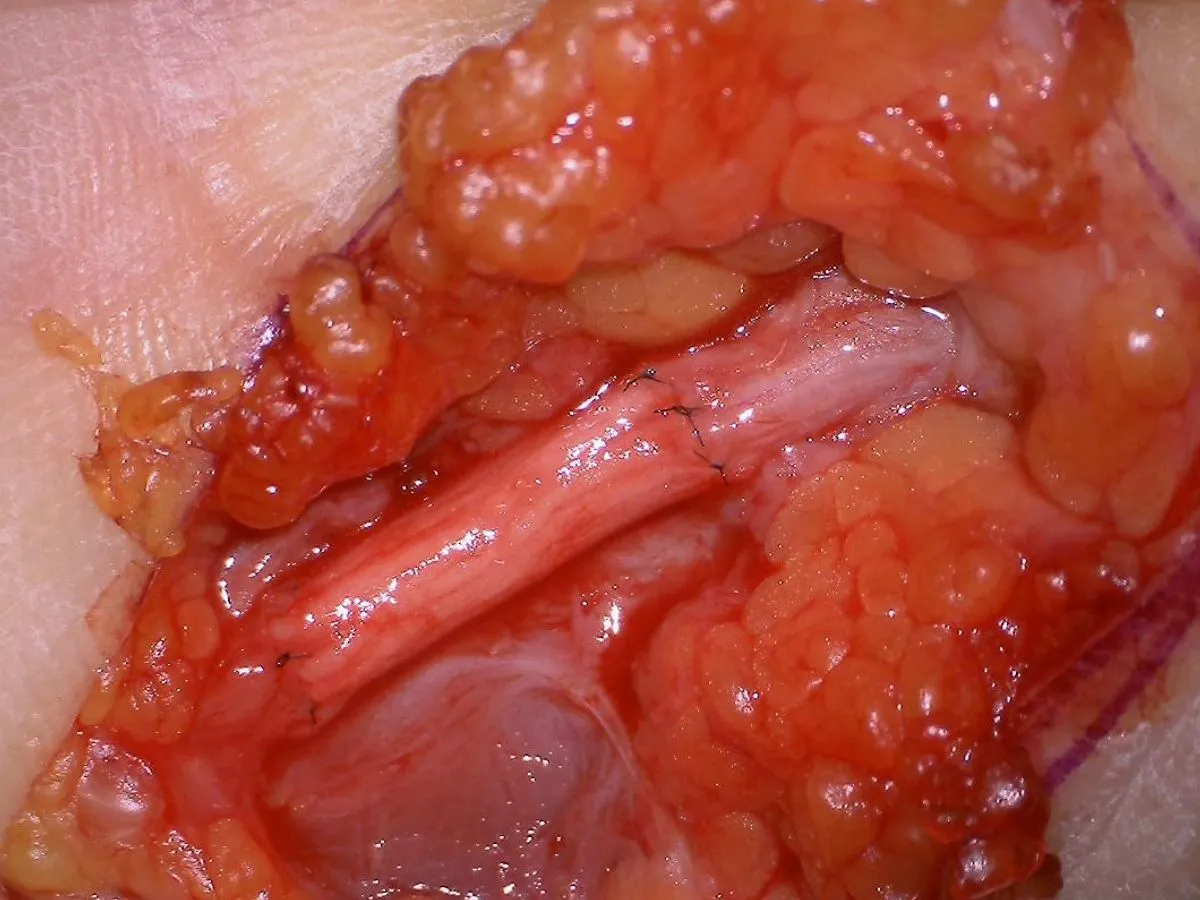
When a nerve is completely severed and the ends retract, it often cannot simply be pulled back together. Doing so would create tension, which severely inhibits nerve regeneration. Instead, the gap must be carefully bridged.
Depending on the defect, Dr. Megerle utilizes different biological bridging strategies. The gold standard is an autograft, where a less critical sensory nerve from your own body is used to bridge the gap. Alternatively, in specific cases, we can utilize an allograft—a specially processed, sterile nerve graft from a donor—which eliminates the need to harvest a nerve from your own body.
Time is Muscle: The Nerve Transfer Innovation
When it comes to motor nerve injuries, early presentation is critical for good clinical outcomes. Nerves grow at a rate of roughly one millimeter per day. If a nerve injury is located high up in the arm (proximal), it may take too long for the regenerating nerve to reach the target muscle before that muscle irreversibly wastes away.
For these proximal injuries, or for patients presenting late after an injury, nerve transfers offer a groundbreaking treatment option. Instead of repairing the nerve at the original, distant site of injury, Dr. Megerle takes a healthy, redundant nerve branch close to the paralyzed muscle and rewires it directly into the damaged nerve. This significantly shortens the regeneration distance, bringing function back to the muscle much faster and more reliably.
Frequently Asked Questions
What is the difference between an autograft and an allograft?
An autograft utilizes a piece of a sensory nerve from your own body (often from the lower leg) to bridge the gap. It is considered the gold standard as it contains your own living cells. An allograft is a highly processed, sterile nerve graft derived from a donor. It serves as an empty biological scaffold for your own nerve fibers to grow through, and it prevents the need for a second surgical site on your body.
How soon after a nerve injury should I be evaluated?
As soon as possible. While surgery may not need to happen on the very first day, an early evaluation allows us to establish an optimal treatment timeline. Muscles deprived of nerve signals begin to atrophy; prompt assessment ensures we can intervene before this damage becomes irreversible.
What exactly is a "nerve transfer" and am I a candidate?
A nerve transfer is a modern technique where a healthy, expendable nerve branch is cut and "plugged into" an injured, paralyzed nerve close to the target muscle. You may be a candidate if your nerve injury is located very high up in the limb, or if significant time has passed since your initial injury, making traditional grafting less likely to succeed.
How long does it take for a reconstructed nerve to heal?
Nerve regeneration is a slow process. Once the nerve crosses the repair site, it grows at an average rate of about 1 millimeter per day (or about 1 inch per month). Depending on the distance from the surgical site to the target muscle or skin area, it can take many months to over a year to see the final results.
Consultation & Appointments
Do you have questions about treatments or wish to schedule an appointment? We are here to help. For patients traveling from afar, we also offer the convenience of video consultations.